
Metallurgical Marvels: Unpacking Tool Steel Microstructures
Introduction
Tool steels refer to a remarkable category of ultra-hardenable steels engineered specifically for use in high-performance tools and components. The secret behind tool steel’s exceptional combination of hardness, strength, and durability lies in its meticulously controlled microstructure. This article explores what microstructure is, how it impacts steel properties, the complex microstructures found in tool steels, how they are produced, and why understanding microstructures is key to advancing tool steel performance.
What is Microstructure?
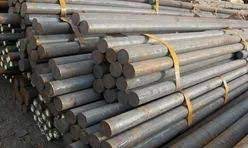 Microstructure refers to the extremely small internal structural features present within metals that govern mechanical properties. Key aspects include:
Phases
Phases are regions with distinct atomic arrangements like ferrite, cementite, martensite, and austenite in steel. Different phases exhibit different properties.
Grain Structure
Grains are microscopic crystalline regions with uniform orientation. Grain size, shape, and alignment influence strength.
Defects
Defects like dislocations, voids, and inclusions alter atomic bonding and interactions, affecting material behavior.
Surface Structure
Surface finish, coatings, oxidation layers, and surface treatments establish the exterior microstructure crucial to performance.
Microstructure spans dimensions from individual atomic bonds up to visible macroscopic properties. Carefully controlling it is essential to tuning steel properties.
Why Microstructure Matters
The details of a steel’s microstructural features have an enormous influence on its properties and performance:
Phases Impact Properties
Different microstructural phases exhibit distinct hardness, ductility, and other attributes based on atomic structure. Altering phase amounts tailors properties.
Grain Size Affects Strength
Smaller steel grains provide more barriers to dislocation motion, increasing strength. Ultrafine nano-scale grains maximize strength through this Hall-Petch relationship.
Defect Interactions
Dislocations, voids, and inclusions interact with microstructural features and interfaces. These interactions mediate deformation, cracking, and failure processes.
Surface Properties
Exterior microstructure directly controls crucial surface properties like hardness, wear and corrosion resistance, conductivity, friction, and appearance.
By controlling microstructural details, the overall capabilities of steel can be dialed in, expanded, and optimized. This microstructure-property relationship is foundational to high-performance steels.
Complex Microstructures in Tool Steel
Tool steels achieve remarkable property combinations by utilizing complex, multi-phase, hierarchical microstructures produced through sophisticated processing.
Primary Carbides
Carbides like vanadium, molybdenum, and tungsten carbides provide extreme hardness and wear resistance. Their size, shape, and distribution is controlled.
Interconnected Martensite Matrix
The main tool steel matrix structure is martensite, an ultra-hard metastable phase produced by rapid quenching. This provides hardness and strength.
Secondary Hard Phases
Added micro-alloying elements create hard secondary precipitates like carbonitrides inside the matrix, further improving properties.
Grain Morphology
Precise heat treatments establish optimized tool steel grain sizes and shapes tailored for strength, toughness, hardness, or other priorities.
Engineered Defects
Carefully engineering dislocations, interfaces, and strain hardening enhances strength through dislocation density and interaction barriers.
Modified Surfaces
Applied coatings and treatments produce specialized exterior microstructures with customized surface properties on tool steel components.
The collective interactions between these complex microstructural details enable tool steel’s unmatched combined properties.
How Tool Steel Microstructures Are Produced
Key processing steps that create the microstructural foundation for tool steel component properties include:
Melting
Vacuum induction melting and secondary refining removes impurities and allows alloying with chromium, tungsten, vanadium, cobalt and other elements. This sets the composition.
Casting
Pouring molten tool steel into molds or continuous casting into bars establishes the initial as-solidified grain structure. Subsequent steps alter this.
Thermomechanical Processing
Heating, rolling, and forging tool steel breaks down grains and introduces specialized dislocation structures that strengthen the steel.
Quench Hardening
Rapid quenching transforms tool steel into very hard martensitic microstructure. Quench rate impacts final grain details.
Tempering
Tempering relieves stresses and allows fine carbides to precipitate while retaining martensite. This tunes the hardness-toughness balance.
Surface Enhancement
Applying specialized coatings or thermal-chemical treatments modifies the exterior microstructure for custom surface properties on components.
Thanks to advanced modelling and process monitoring, each of these steps can be controlled with enormous precision to engineer microstructures that deliver on tool steel’s immense property potential.
Common Tool Steel Microconstituents
Some important microstructural features found in many tool steel grades include:
Spheroidized Carbides
Annealing forms spheroidal cementite particles creating a soft, machinable structure desired in initial tool steel wrought products.
Martensite
The very hard, metastable martensite phase accounts for the bulk matrix phase providing hardness and strength in final tool steel components.
Undissolved Carbides
Carbides like vanadium and molybdenum carbide resist dissolving during austenitizing. They enhance wear resistance.
Tempered Martensite
Tempering martensite reduces brittleness while enabling nano-scale transition carbides to precipitate throughout the matrix.
Elongated Grains
Plastic deformation and heat treatment stretch prior austenite grains into elongated martensite grains providing strength through grain interaction barriers.
Surface Decarburization
If unprotected, tool steel surfaces can undergo decarburization during heat treatment which softens and damages the surface microstructure.
Understanding the changes these features undergo during processing is crucial for controlling final tool steel microstructures.
The Role of Alloying Elements on Microstructure
The different alloying elements added to tool steels influence the final microstructure:
Carbon
Carbon is the primary hardening element, forming iron carbides that increase strength. Too much carbon reduces toughness.
Chromium
Chromium improves hardenability and promotes the formation of smooth, rounded carbides during tempering for toughness.
Tungsten
Tungsten markedly improves heat resistance by forming very hard, stable tungsten carbides that resist softening at elevated temperatures.
Vanadium
Vanadium forms hard vanadium carbides that reinforce grain boundaries, producing fine grains and enhancing wear resistance.
Molybdenum
Molybdenum contributes to strength through molybdenum carbide precipitation hardening and provides corrosion resistance.
Cobalt
Cobalt improves hot hardness and allows quenching in air by enriching surrounding matrix areas protecting carbides from oxidation.
Judicious additions of these alloying elements allows tailoring the carbide population, matrix phase proportions, grain morphologies, and other microstructural details in finished tool steel components.
Microstructural Image Analysis
To assess microstructures, tool steels are imaged using:
Optical Microscopy
Optical microscopes reveal microstructural phases, carbide distributions, defects, grain structure details, and features down to the micron scale.
Scanning Electron Microscopy
SEM provides higher magnification images revealing finer matrix structures, individual carbides, interactions, and nanoscale precipitates.
Transmissionselektronmikroskopi
TEM visualiserar atomära arrangemang och kristalldefekter i faser, karbidorienteringsförhållanden och egenskaper på nanonivå.
EBSD-analys
Kartläggning med hjälp av elektronbackscatter-diffraktion fastställer fasidentiteter, lokala orienteringar, kornmorfologier, omvandlingsdetaljer och deformationsstrukturer.
Röntgendiffraktion
XRD-analys identifierar närvarande faser, karbidtyper, gitterspänningar och texturer som utvecklats genom tillverkningsprocesser.
Kombinationen av dessa avancerade bildtekniker ger en flerskalig förståelse av mikrostrukturerna i verktygsstål, vilket leder till optimering av bearbetningen.
Microstructure Design Principles
 Viktiga principer för mikrostrukturdesign möjliggör maximering av verktygsstålens egenskaper:
Minska kornstorleken
Att utveckla finare korn genom kontrollerad termomekanisk bearbetning ökar hållfastheten enligt Hall-Petch-förhållandet genom att skapa fler hinder för dislokationernas rörelse.
Optimera hårdmetallens storlek, form och fördelning
Karbidernas storlek, morfologi, avstånd och mönster kan styras för att stärka gränser, hindra sprickor, minska oxidation, förhindra korntillväxt och möjliggöra maskinbearbetning.
Introducera konstruerade defekter
Att lägga till specialiserade dislokationsnätverk genom plastisk deformation ökar styrkan och segheten genom dislokationsinteraktioner och begränsad rörlighet.
Förstärkning av korngränser
Legering för att främja karbidutfällning vid korngränser hindrar glidöverföring mellan angränsande korn, vilket bibehåller hållfastheten under belastning.
Skydda ytor
Genom att applicera beläggningar eller utveckla finfördelade ytkarbider förbättras slitaget och korrosionsbeständigheten, vilket är avgörande för ytans mikrostruktur.
Behålla gynnsamma kvarstående spänningar
Bearbetningsinducerade restspänningsprofiler kan styras för att producera ytkompression som motverkar driftspänningar och utmattningsskador.
Genom att följa dessa principer kan mikrostrukturer konstrueras som ger de önskade egenskaperna hos verktygsstål.
Gemensam Tool Steel Defects
Men bearbetningsfel kan också leda till skadliga mikrostrukturella defekter:
Överdriven förgrovning av hårdmetall
Överhettning gör att karbider växer till stora spröda partiklar, vilket minskar hållfasthet och seghet. Tät kontroll av värmebehandlingen krävs.
Avkolning
Oskyddade verktygsstålsytor kan förlora kol under värmebehandlingen, vilket ger en mjukare och svagare yta som är mer benägen att gå sönder.
Oönskade kvarstående spänningar
Otillräcklig spänningsavlastning kan lämna kvar skadliga restspänningar som försämrar utmattningshållfastheten och främjar brott.
Förvrängd kornstruktur
Felaktig kylning orsakar riktad förgröning och långsträckta korn i stället för en likaxlad kornstruktur som är optimerad för egenskaper.
Interkristallin oxidation
Intern oxidation längs korngränserna till följd av överhettning försämrar sammanhållningen mellan kornen, vilket minskar hållfastheten och duktiliteten.
Utsläckning av sprickor
Om släckningshastigheten inte kontrolleras ordentligt kan termiska spänningar orsaka yt- eller inre mikrosprickor under härdningen.
Avancerade metoder för mikrostrukturell analys hjälper till att identifiera dessa brister tidigt så att de kan förebyggas i efterföljande bearbetning.
Framtiden för Tool Steel Mikrostrukturer
Spännande utvecklingar på horisonten för optimering av mikrostrukturer i verktygsstål inkluderar:
Anpassad design av legering
Kombinatorisk testning och AI kommer att underlätta snabb utveckling av applikationsspecifika verktygsstålslegeringar och processer med mikrostrukturer som inte kan uppnås med konventionella kompositioner.
Kompositer i mikroskala
Nya processer kan generera verktygsstålbaserade metallmatrismikrokompositer genom att sprida ut förstärkningspartiklar som karbider eller kolnanorör i bulkmatrisen.
Gradientstrukturer
Hybridtillverkning möjliggör graderade eller skiktade mikrostrukturer med mjuka övergångar mellan hårda, slitstarka utsidor och tuffare insidor.
Modellering på atomnivå
Fysikbaserade modeller som simulerar dislokationsinteraktioner, deformationsprocesser och brottmekanismer på atomnivå kommer att ge helt nya insikter om mikrostrukturen.
Automatiserad detektering av defekter
Maskininlärningsanalys av mikrostrukturbilder kan identifiera defekter och kvalitetsproblem tidigt för att möjliggöra korrigerande åtgärder under tillverkningen.
Mikrostrukturell övervakning in situ
In-line monitoring tools and sensors will provide live microstructural data for intelligent adaptions and autonomous optimization of tool steel strengthening mechanisms.
Pushing the boundaries of tool steel microstructures through these kinds of disruptive innovations will unleash vastly greater performance potential.
Conclusion
In summary, the exceptional properties of tool steel are rooted in its specialized, meticulously engineered microstructure. Careful control over complex multi-phase features like carbides, martensitic matrices, engineered defects, and tailored grains enables tool steel’s unique combinations of hardness, strength, toughness, and durability. Continuing advances in modelling, real-time monitoring, defect elimination, and pioneering processing methods will open new microstructural frontiers for optimizing tool steel. By leveraging both deep scientific insight and extensive empirical knowledge, the future possibilities for tailoring tool steel microstructures to excel in the most demanding applications are limitless.
Frequently Asked Questions on Tool Steel Microstructures
How does microstructure influence the properties of tool stål?
Tool steel microstructural details like phases, defects, grain size, and surface structures govern properties through their effects on atomic bonding, dislocation motions, deformation interactions, strengthening mechanisms, and failure processes.
What key phases are found in tool steels?
Important tool steel phases include carbides like vanadium and tungsten carbide, martensite formed by quenching, tempered martensite with fine transition carbide precipitates, retained austenite, and engineered surface phases from treatments.
What alloying elements influence tool steel microstructure?
Key alloying elements like carbon, chromium, molybdenum, vanadium, and cobalt impact microstructure by controlling carbide formation, phase proportions, grain refinement, hardenability, and surface properties.
How is the initial tool steel microstructure established?
Steps including vacuum melting, casting, hot working, and heat treatment transform the initial as-solidified structure into the fine-grained, carbide and precipitate-strengthened microstructure optimized for service properties.
What techniques analyze tool steel microstructure?
Optical and electron microscopy, diffraction, spectroscopy, and computational modelling methods characterize tool steel microstructures across scales ranging from individual atomic defects up to macroscopic properties.
What are some common tool steel microstructural defects?
Typical detrimental microstructural flaws include coarse carbides, distorted grains, internal oxidation, quenching cracks, decarburization, unwanted residual stresses, and inclusions that can degrade tool steel properties and performance.
How will future innovations impact tool steel microstructures?
Emerging capabilities like microscale composites, functionally graded structures, automated defect detection, microstructure monitoring, and custom alloy design will enable next-generation tool steels with unprecedented optimized, tailored microstructures.
